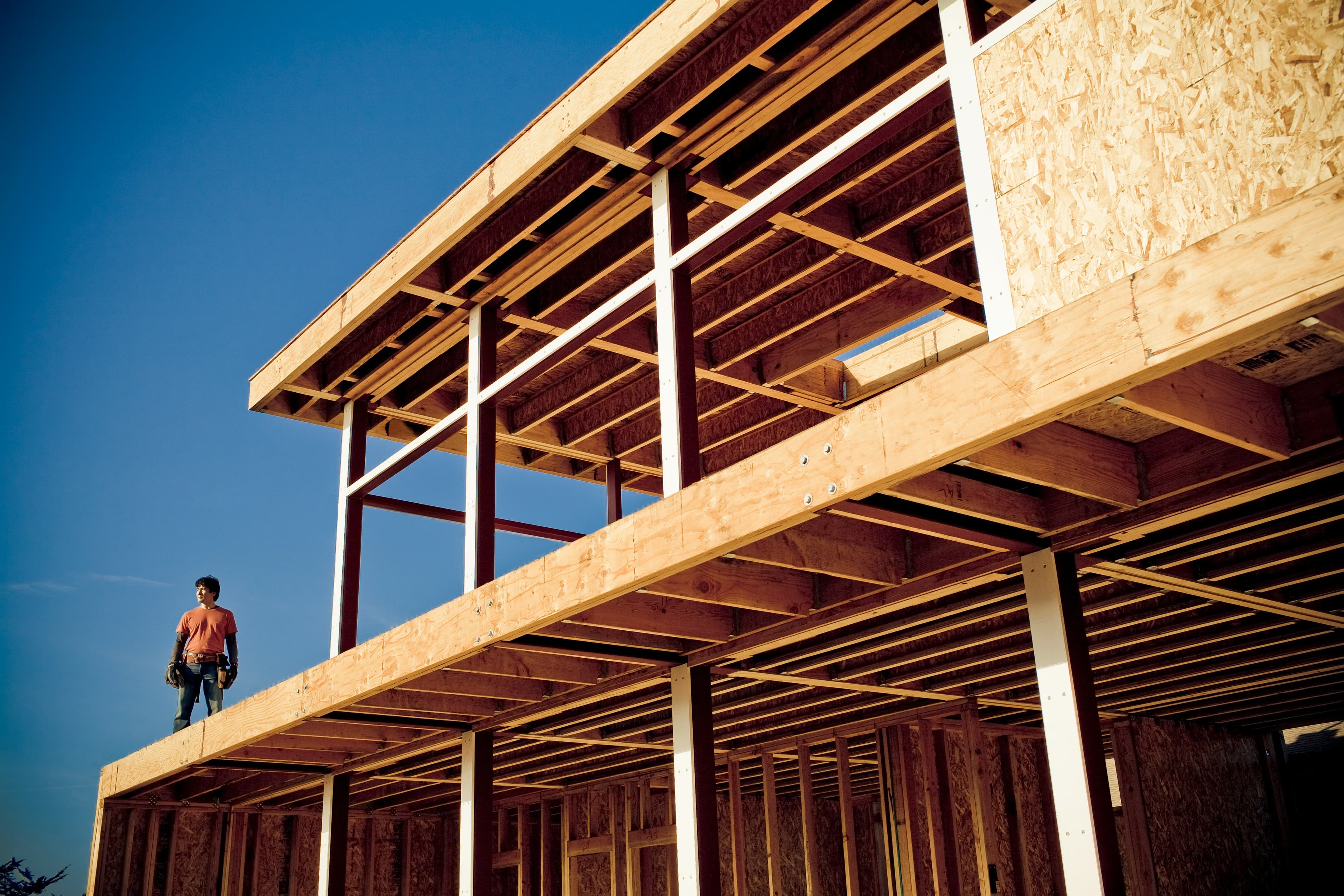
Hybrid vs solid construction in housing – which construction method is the right choice?
Should a building be built in classic solid construction or in hybrid form? Both methods have specific advantages. We compare the options for modern housing.
Housing construction in Germany is in a state of change. Rising demands for sustainability, energy efficiency and cost control are leading developers and project developers to compare different construction methods more and more.
One of the central questions is: should a building be built in classic solid construction or in hybrid form? Both methods have their specific advantages. While classic solid construction has been the dominant method in housing for decades, hybrid construction – especially the combination of wood and concrete – is gaining in importance.
Classic solid construction
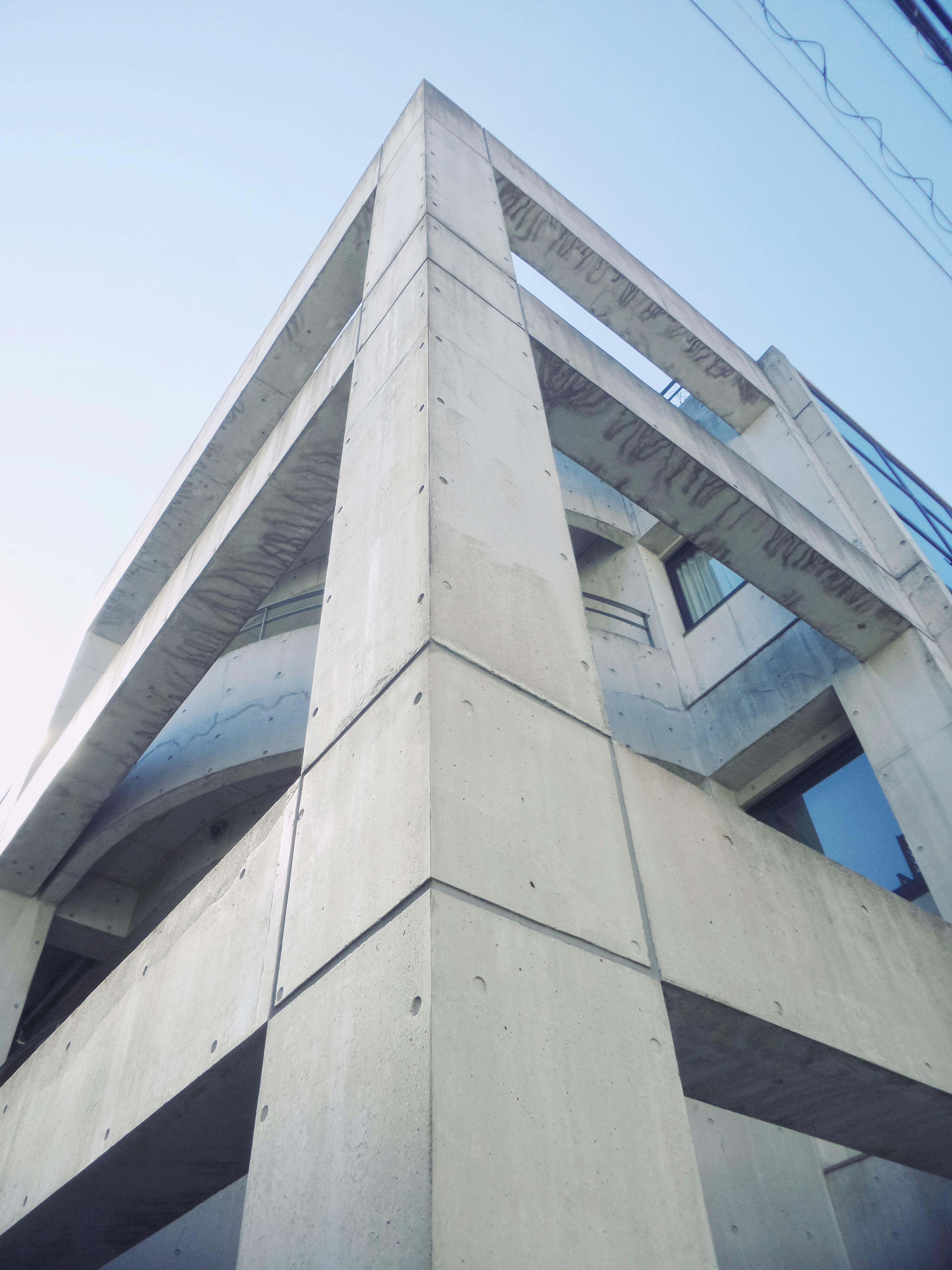
Solid construction is the most widespread construction method in Germany. Load-bearing elements are mainly built from concrete, reinforced concrete or masonry. This method is characterised above all by its high stability, durability and good building physics.
Typical advantages of solid construction are high load-bearing capacity for buildings with high structural requirements, very good sound and fire protection, and a proven planning and construction approach that has been established for decades.
Hybrid construction – combining the best of both
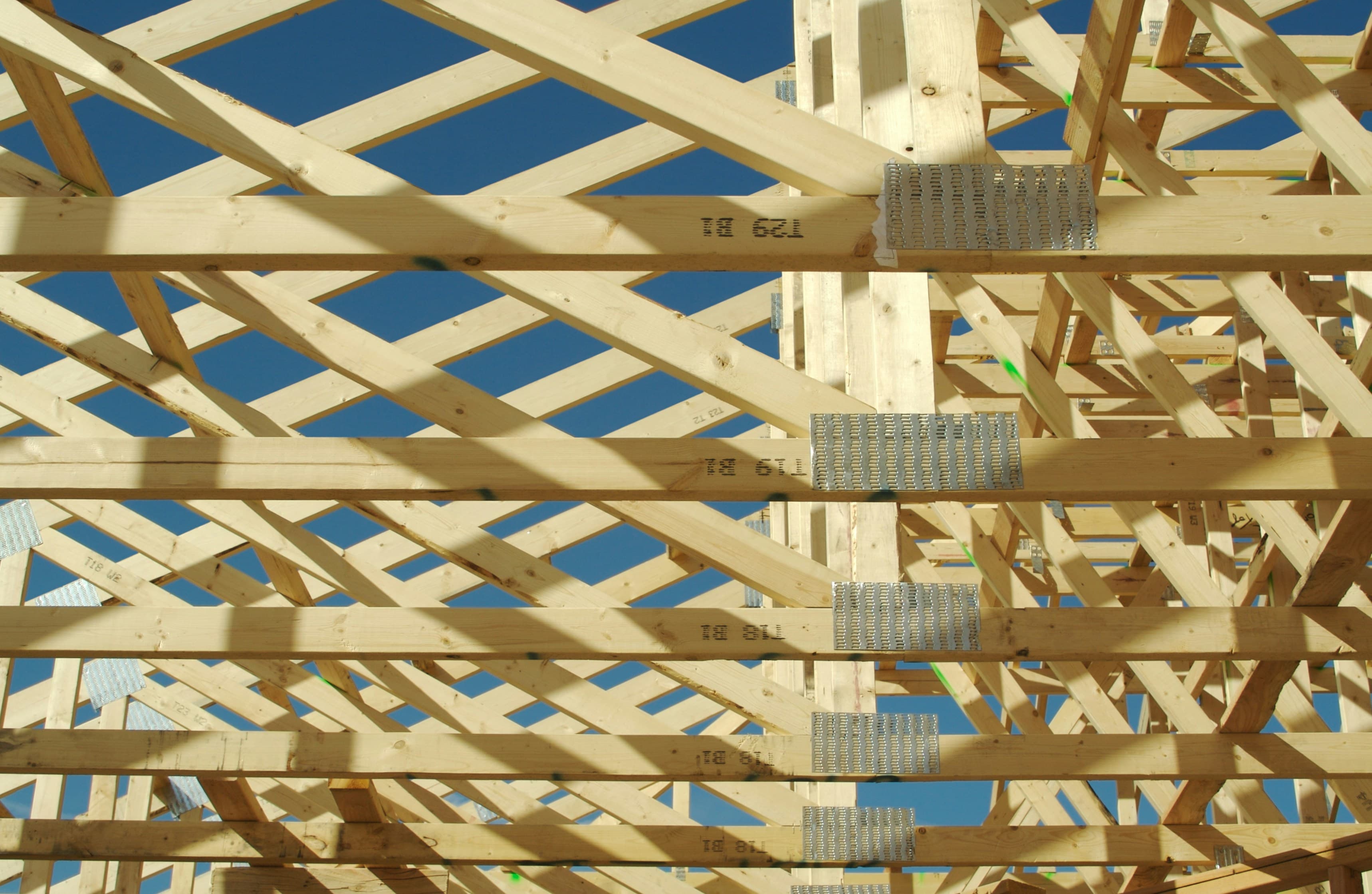
Hybrid construction combines different materials, usually concrete, wood and steel, to make targeted use of their advantages. In many projects, for example, the building core is built in reinforced concrete while floors or external walls are built in wood. This combination allows a construction method that is both stable and sustainable.
Comparing construction methods
Sustainability
A decisive advantage of hybrid construction lies in its better environmental footprint. Wood as a renewable resource stores CO₂ and can significantly improve a building’s climate balance. Solid construction, on the other hand, requires considerably more energy in the production of concrete and cement.
Construction time
Hybrid structures often allow a shorter construction time, as many elements – especially wood components – can be prefabricated in the factory. In classic solid construction, a larger share of the work is carried out on site, which can mean longer construction times for some projects.
Economics
Economics depend heavily on the individual project. While hybrid construction often offers advantages in terms of construction time and sustainability, solid construction can still be more economical for certain building types. A project-specific analysis of the optimal construction method is therefore essential.
Hybrid construction in urban housing
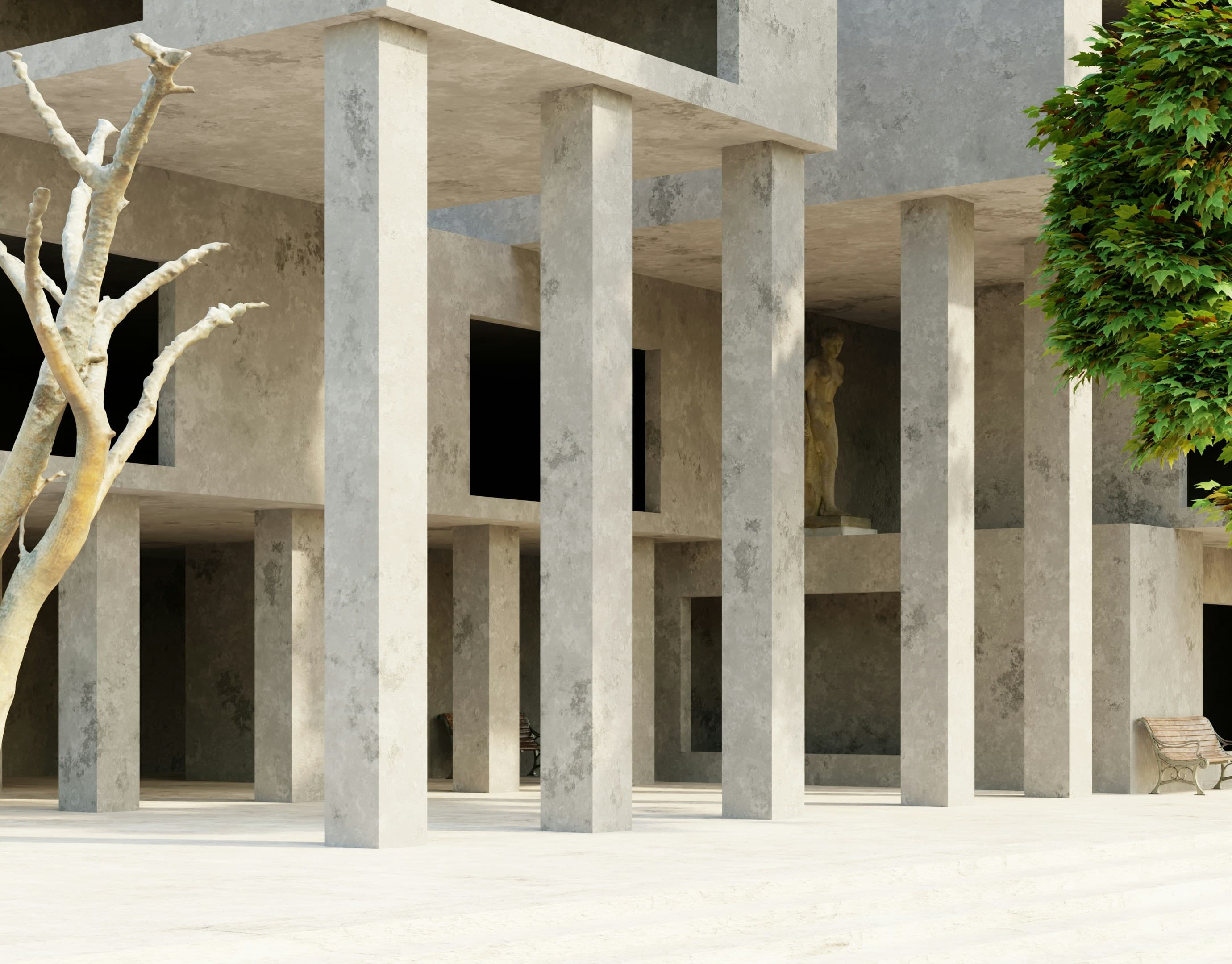
Hybrid construction is gaining in importance especially in inner-city housing. The combination of concrete and wood allows reduced construction times, lower CO₂ emissions, flexible floor plans and sustainable building concepts. This method is being used more and more for multi-storey residential buildings and urban infill projects.
The choice of the right construction method ultimately depends on the requirements of the project, the architectural goals and the economic framework – a sound project analysis is the key.
Conclusion
Both solid and hybrid construction have their place in modern housing. While solid construction remains a stable and proven solution, hybrid construction offers interesting perspectives for sustainable and efficient construction projects. As a general contractor, TE-MI Bau GmbH supports construction projects from planning through to turnkey delivery – different construction methods are evaluated on a project-specific basis and implemented in close coordination with architects and specialist planners.
Want to go deeper on a topic?
Our team is happy to answer questions about our articles, services, or your construction project – with no obligation.
Get in touch