
Period building refurbishment in Berlin – costs, grants, KfW standards and modern energy concepts
Energy refurbishment of period buildings is gaining importance in Berlin’s property market. From KfW standards and grant programmes to photovoltaics – an overview for investors and building owners.
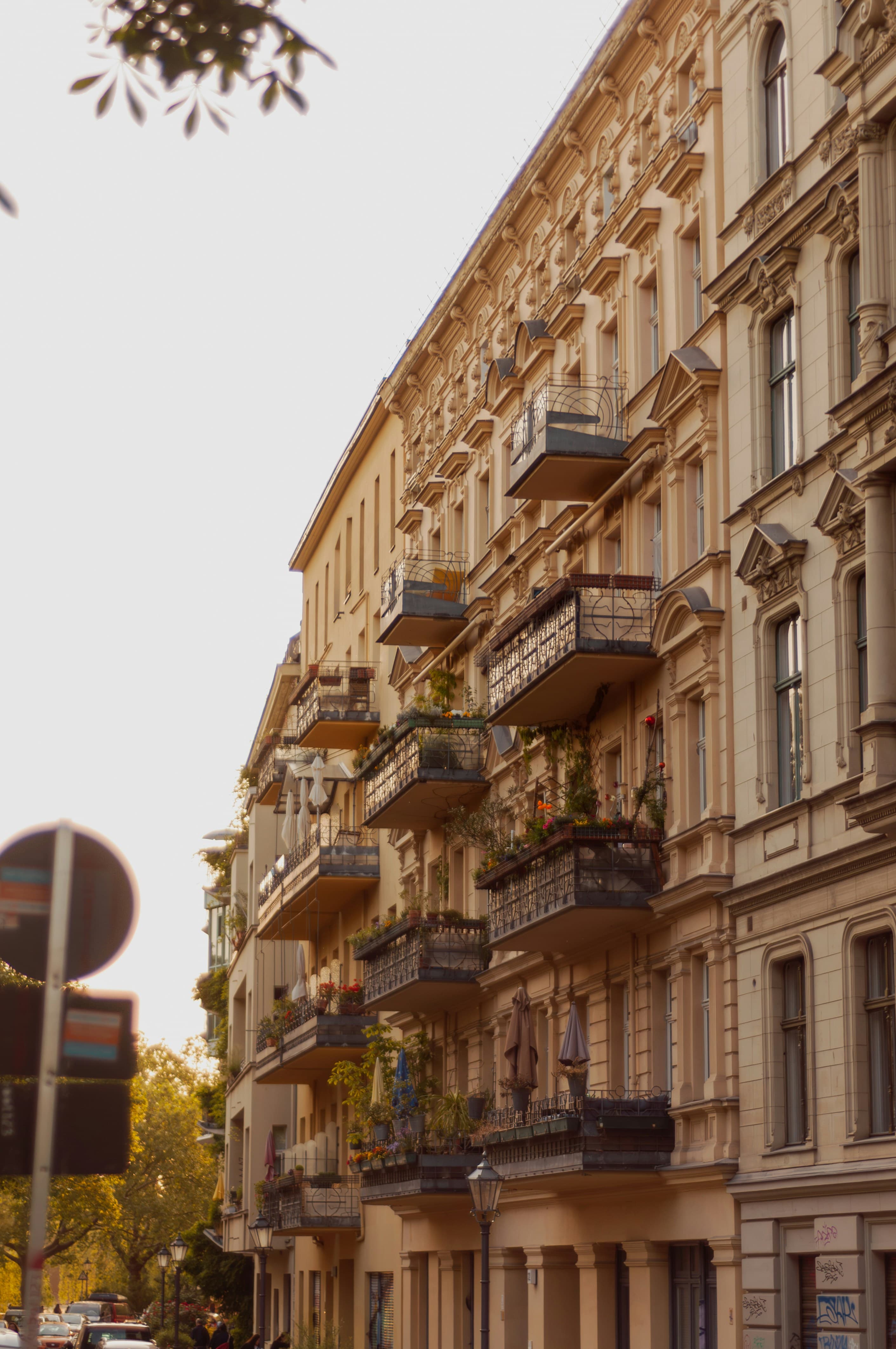
The refurbishment of period buildings is becoming increasingly important in Berlin’s property market. Many residential buildings in the capital date from before current energy standards and have significantly higher energy consumption than modern new builds.
Through targeted energy refurbishment of existing buildings, they can not only be technically modernised but also operated more economically in the long term. Energy standards such as Efficiency House 55 or Efficiency House 40, which are supported by government grant programmes, are particularly important here.
Energy refurbishment of period buildings in urban housing
The energy modernisation of period buildings pursues several goals: reducing energy consumption, improving the building envelope, integrating modern heating systems and using renewable energy. Especially in an urban context – as in Berlin – refurbishing existing buildings is often more sustainable than a complete new build.
KfW Efficiency House 55 and KfW 40 in refurbishment
In energy refurbishment, many projects are aligned with the so-called Efficiency House standards of KfW Bank. An Efficiency House 55 requires around 55% of the energy of a reference building, while an Efficiency House 40 has only around 40% of the energy demand. The better the energy standard achieved after refurbishment, the higher the government grants can be.
Typical measures in period building refurbishment
To modernise a period building in terms of energy, several measures are usually combined: facade insulation and roof refurbishment, replacement of old windows, optimisation of the heating system, integration of modern ventilation systems and installation of photovoltaic systems. These measures can significantly reduce the energy consumption of a building.
Photovoltaics as part of modern refurbishment projects
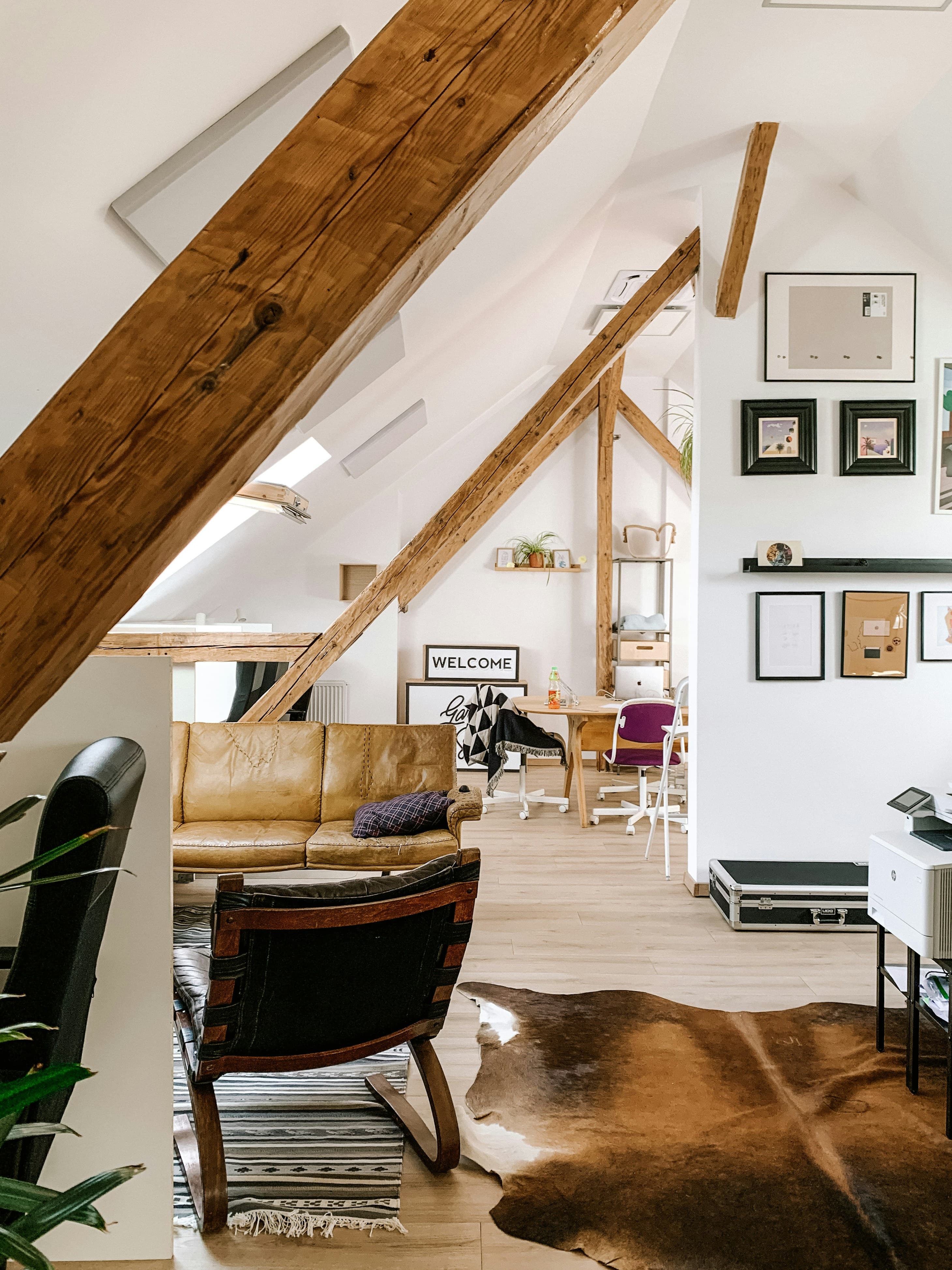
The use of renewable energy is playing an increasingly important role in refurbishment projects. Photovoltaic systems on roof surfaces make it possible to generate some of the required electricity directly in the building – with the benefits of reduced electricity costs, lower CO₂ emissions and a better energy balance for the building.
Cost of period building refurbishment in Berlin
The cost of energy refurbishment depends heavily on the condition of the building and the target efficiency standard. Influencing factors include the size and condition of the building, the scope of energy measures and the integration of renewable energy. Careful planning and analysis are therefore essential to develop an economically viable refurbishment concept.
Grant programmes for energy refurbishment
The federal government supports energy modernisation through various grant programmes, including KfW loans for energy-efficient buildings, grants for Efficiency House standards and programmes for renewable energy. These grants can cover a significant share of investment costs and help make energy refurbishment economically viable.
Government grants can cover a significant share of investment costs – early grant advice is worthwhile for every refurbishment project.
Refurbishment process for period buildings
A successful period building refurbishment takes place in several structured project phases: 1. Survey of the existing building, 2. Energy refurbishment concept, 3. Planning and grant advice, 4. Detailed design, 5. Construction and modernisation, 6. Energy optimisation and completion. Structured planning helps to minimise technical risks and manage construction processes efficiently.
Conclusion
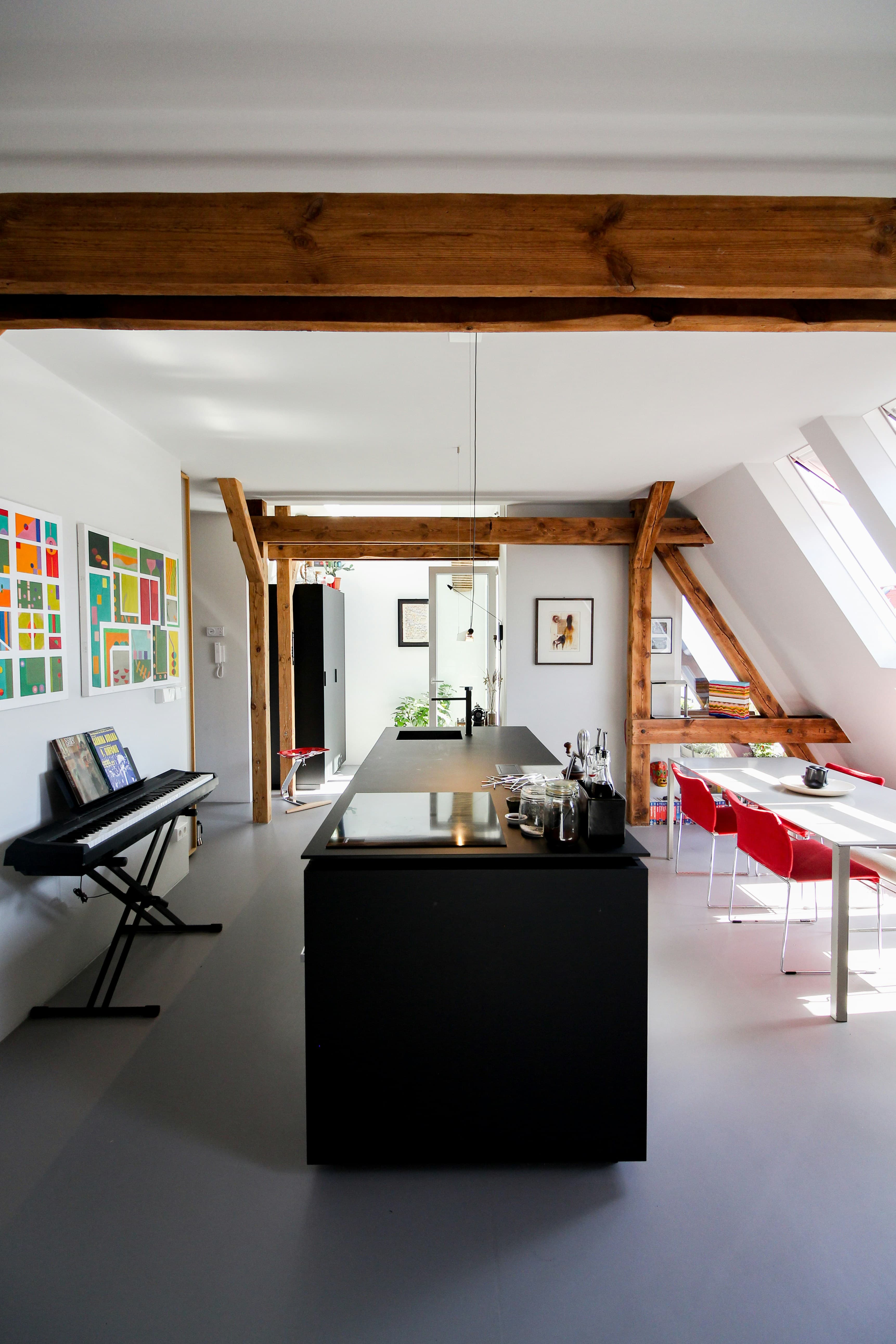
Energy refurbishment of period buildings will play a central role in Berlin’s housing market in the coming years. Through modern energy concepts, government grant programmes and innovative construction methods, existing buildings can be sustainably modernised and operated economically in the long term.
Want to go deeper on a topic?
Our team is happy to answer questions about our articles, services, or your construction project – with no obligation.
Get in touch